



The Impact
From System Output to Human Outcome
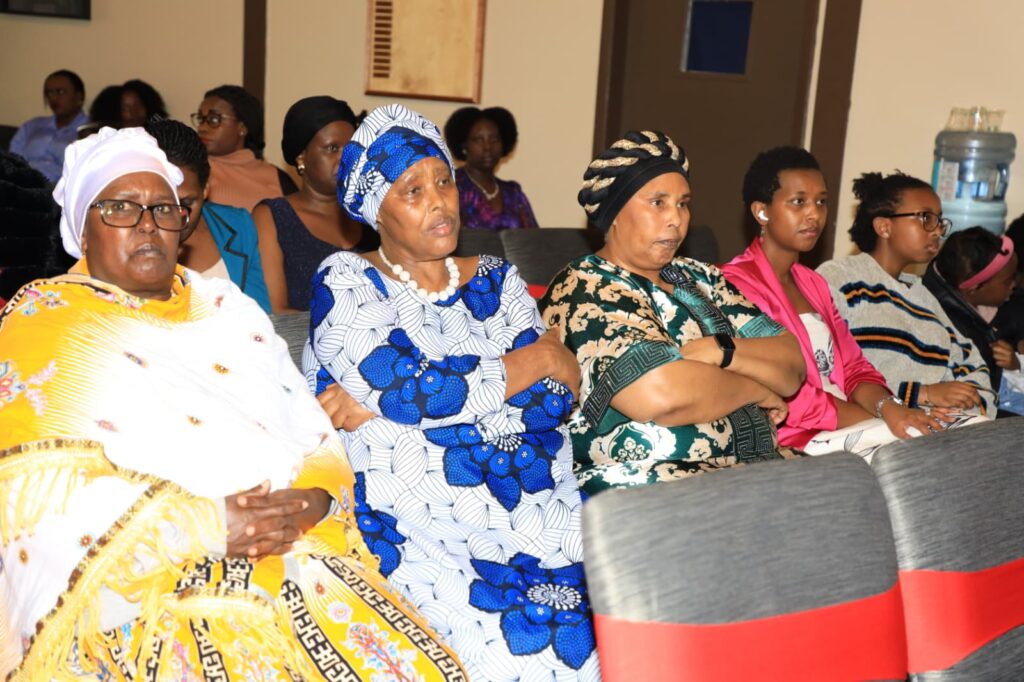
What Human Capacities Have Actually Been Restored?
V4V Reframes The Meaning Of Impact Within Refugee Integration And Humanitarian Systems.
The ability of individuals to participate in the systems that govern their lives.
Conventional Systems Frequently Measure Success Through:
Number Of Clients Served
Number Of Classes Delivered
Number Of Referrals Completed
Attendance Rates
Language Hours Completed
Administrative Outputs
These Measurements Primarily Evaluate:
System Activity.
V4V Argues That Activity Alone Does Not Necessarily Produce Participation.
The Goal Is Not Merely To Deliver Services. The Goal Is To Develop Human Capacity To Function Independently Within Institutional Environments.
Redefining Impact
- From Service Delivery to Functional Outcomes
Traditional Service Models Often Emphasize:
Access
Referral
Provision
Administrative Completion
V4V Moves Beyond Access Alone Toward:
Functional Participation
Institutional Agency
Procedural Independence
Participatory Confidence
Long-Term Human Capability
This creates a gap between provision and outcome.
The Goal Is Not Merely To Deliver Services. The Goal Is To Develop Human Capacity To Function Independently Within Institutional Environments. This Represents A Fundamental Paradigm Shift: From: Assistance Mediation Dependency Management Temporary Navigation Toward: Capacity Restoration Institutional Interpretation Independent Participation Sustainable Agency
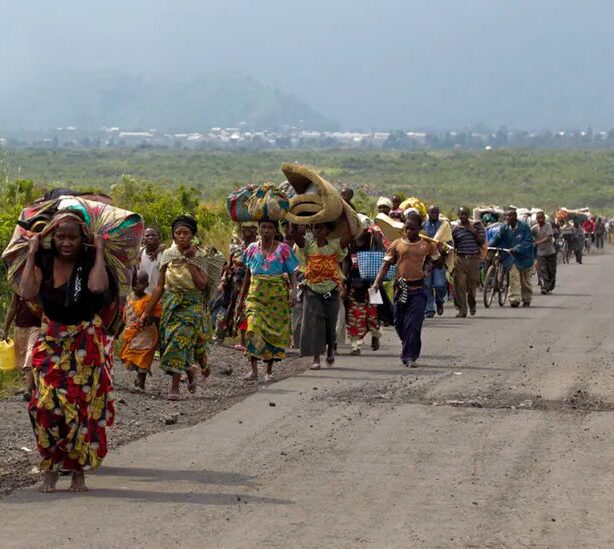

Impact Framework
- Six Dimensions of Measurable Change
V4V Measures Impact Through Participatory Function Rather Than Administrative Completion Alone. The Framework Evaluates Multiple Dimensions Of Human Development. 1-Symbolic And Literacy Stabilization Measurable Changes Increased Symbol Recognition Improved Oral-To-Written Association Increased Narrative Coherence Improved Reading Confidence Improved Functional Writing Capacity Increased Procedural Interpretation Ability. 2. Institutional Navigation Capacity Measurable Changes Participants Demonstrate Increased Ability To: Complete Forms Independently Understand Official Communication Navigate Transportation Systems Schedule Appointments Follow Institutional Procedures Access Public Services Without Intermediaries. 3. Participatory Confidence Measurable Changes Participants Demonstrate: Increased Willingness To Ask Questions Reduced Fear Of Institutions Increased Public Communication Greater Self-Advocacy Improved Decision-Making Confidence Increased Initiative In Institutional Settings.
4. Reduction Of Structural Dependency
Measurable Changes
Participants Demonstrate Reduced Reliance Upon:
Translators
Family Intermediaries
Community Brokers
Caseworkers For Basic Navigation
Informal Interpretation Networks.
5. Educational Continuity
Measurable Changes
Increased Educational Engagement
Improved Learning Persistence
Increased Classroom Participation
Better Instruction Interpretation
Improved Academic Confidence
Greater Long-Term Educational Stability.
6. Civic And Community Participation
Measurable Changes
Participants Demonstrate Increased:
Community Engagement
Institutional Trust
Civic Participation
Public System Utilization
Social Contribution
Volunteer Participation
Leadership Development.
These three dimensions provide a practical and observable structure for evaluating impact.
Transformation
- What Changes With and Without Intervention
Without Participatory Capacity Formation, Many Refugees Remain Vulnerable To Long-Term Participatory Exclusion. Common Outcomes Include: Persistent Institutional Dependence Fear Of Bureaucratic Systems Limited Civic Participation Workplace Instability Social Isolation Educational Withdrawal Intergenerational Literacy Gaps Reliance On Informal Navigators Reduced Public Confidence Chronic Procedural Failure. In Many Cases: Protection Exists But Participation Does Not.
When Participatory Capacity Is Intentionally Developed, Individuals Frequently Experience:
1-Functional Changes
Increased Institutional Navigation
Independent Form Completion
Improved Communication
Greater Procedural Understanding
Better Workplace Participation
2-Psychological Changes
Increased Confidence
Reduced Institutional Fear
Restored Initiative
Expanded Future Imagination
Greater Sense Of Agency
3-Social Changes
Increased Community Participation
Improved Family Stability
Greater Educational Engagement
Expanded Public Participation
4-Structural Changes
Reduced Service Burden
Increased Program Effectiveness
Improved Institutional Accessibility
Better Long-Term Integration Outcomes
Multi-Level Impact
- Individual, Family, and System Outcomes
1-Individual Outcomes
At The Individual Level, V4V Seeks To Restore:
Voice
Agency
Literacy Confidence
Institutional Participation
Self-Advocacy
Decision-Making Capacity
Public Confidence
Human Dignity
The Individual Moves:
From:
Survival-Based Dependence
Toward:
Independent Participation.
2-Family Outcomes
Participatory Capacity Also Produces Intergenerational Impact.
Expected Family Outcomes Include:
Increased Educational Support Within Households
Reduced Child Interpretation Burden
Improved Parent-School Communication
Increased Household Stability
Stronger Institutional Confidence Across Generations
Improved Family Participation In Community Life
Families Move:
From:
Institutional Vulnerability
Toward:
Participatory Stability.
3-System Outcomes
V4V Also Produces Institutional And Societal Impact.
Expected System Outcomes Include:
Reduced Procedural Failure
Increased Program Effectiveness
Reduced Administrative Repetition
Better Long-Term Integration Results
Improved Public Service Accessibility
Reduced Dependency Cycles
Stronger Civic Inclusion
More Participatory Institutional Design
Systems Become:
More Interpretable
More Accessible
More Human-Centered
More Participatory


The Long-Term Impact Vision
The Long-Term Vision Of V4V Is The Creation Of Participatory Integration Systems That:
Restore Human Capability
Reduce Structural Exclusion
Strengthen Institutional Accessibility
Build Independent Agency
Expand Human Flourishing
The Framework Seeks To Shift Global Integration Models:
From:
Managing Vulnerability,
Toward:
Building Participation.
Impact Conclusion
- Participation Changes Human Possibility